sales packaging – information and examples directly from the experts
1. What is sales packaging?
Sales packaging is the primary packaging of a product that is delivered directly to the end consumer.
At the point of sale (POS), it serves both to protect the contents and as a central marketing tool for presenting the brand and promoting sales.
This distinguishes it from transport or outer packaging.
Example: the printed folding box in which products are sold at the point of sale.
Sales packaging can be made of cardboard or paper, plastic, glass, metal, or combinations of these materials (e.g., blister packs or composite films).
Cardboard packaging in particular is now the first choice if you are looking for environmentally friendly product packaging.
2. Examples of cardboard sales packaging
Folding boxes – the classic on the shelf
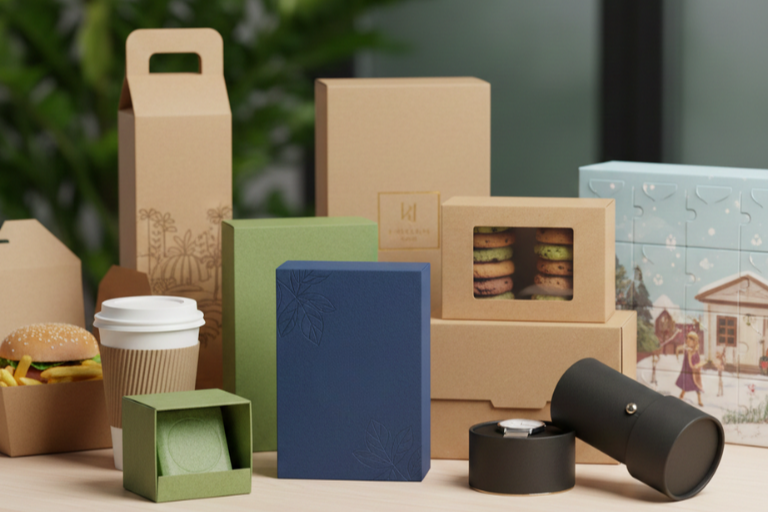
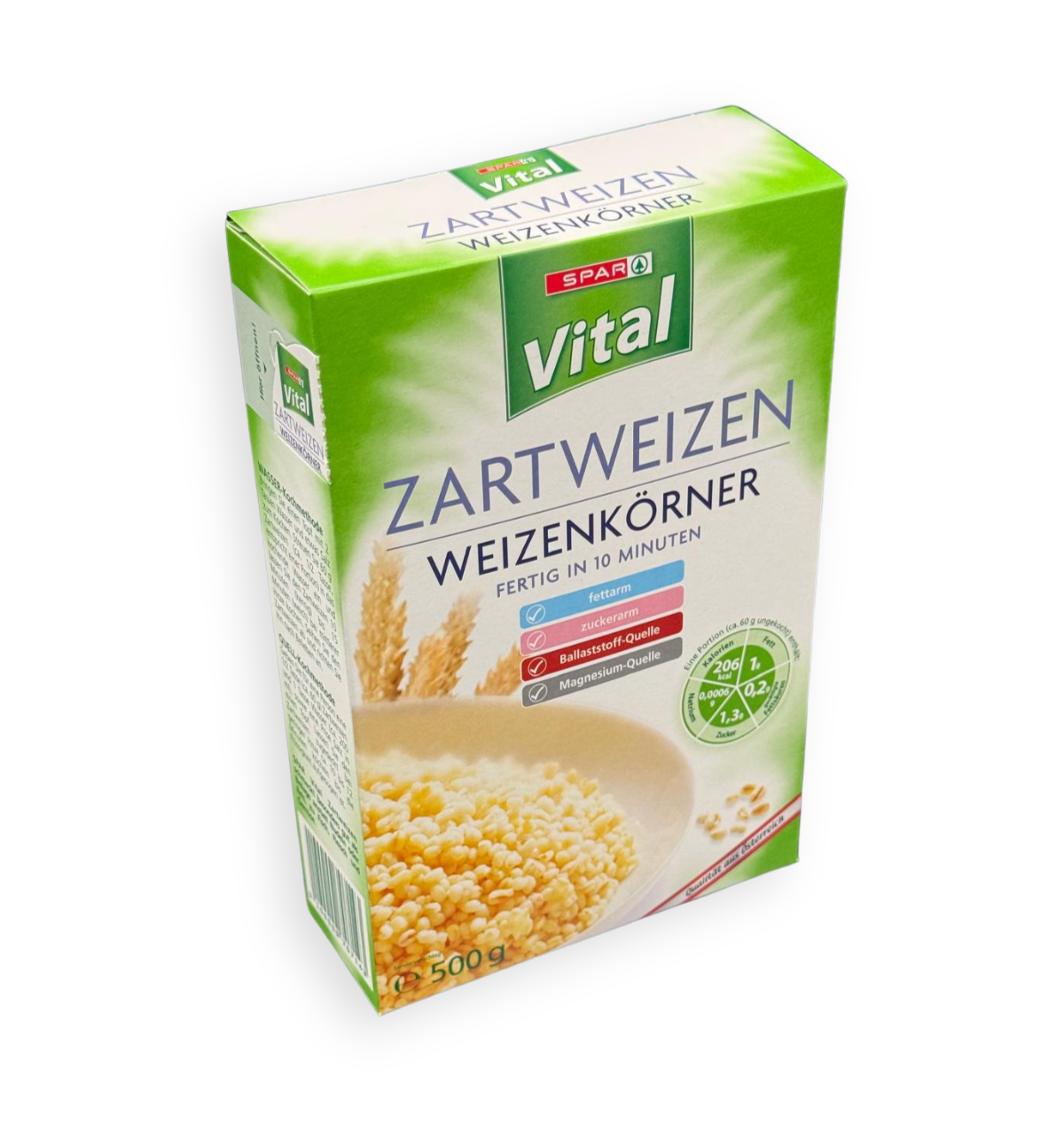
Folding cartons are the best-known form of cardboard sales packaging.
They can be delivered flat, stored in a space-saving manner, and assembled in just a few simple steps or automatically with a packaging machine.
Whether food, cosmetics, or technology—folding cartons bring your products to the shelf clean, well protected, and ready to sell.
Would you like custom-made folding boxes or boxes with individual printing?
Blister packaging with cardboard backing and plastic or cardboard cover
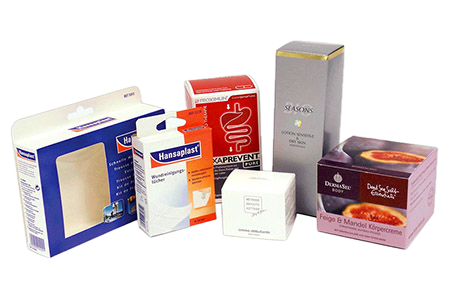
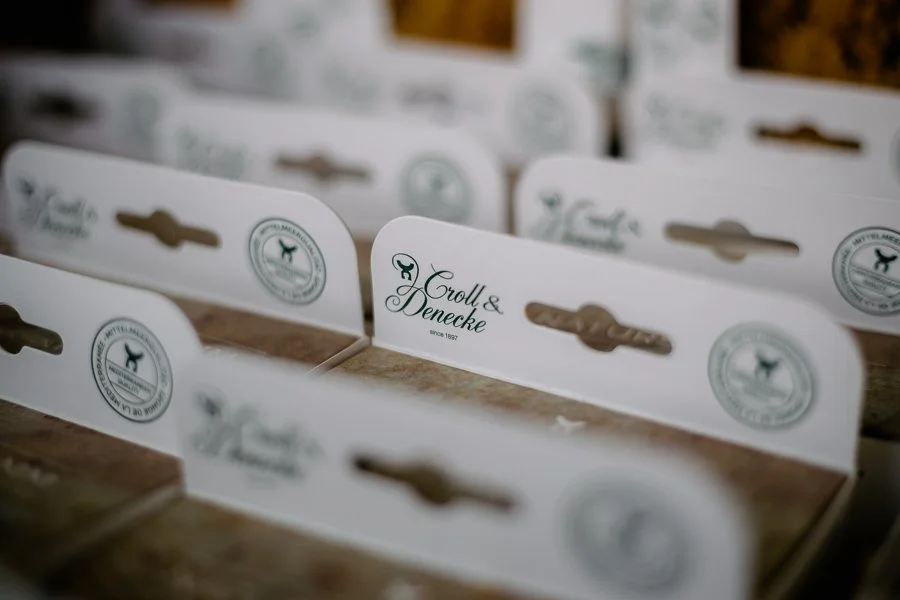
With this type of blister packaging, the product is placed in a molded hood that is glued or sealed onto a printed cardboard card (often with a Euro hole for self-service walls). Thecardboard carrierserves as advertising space, while the hood provides security and, depending on the material, ensures the product is visible.
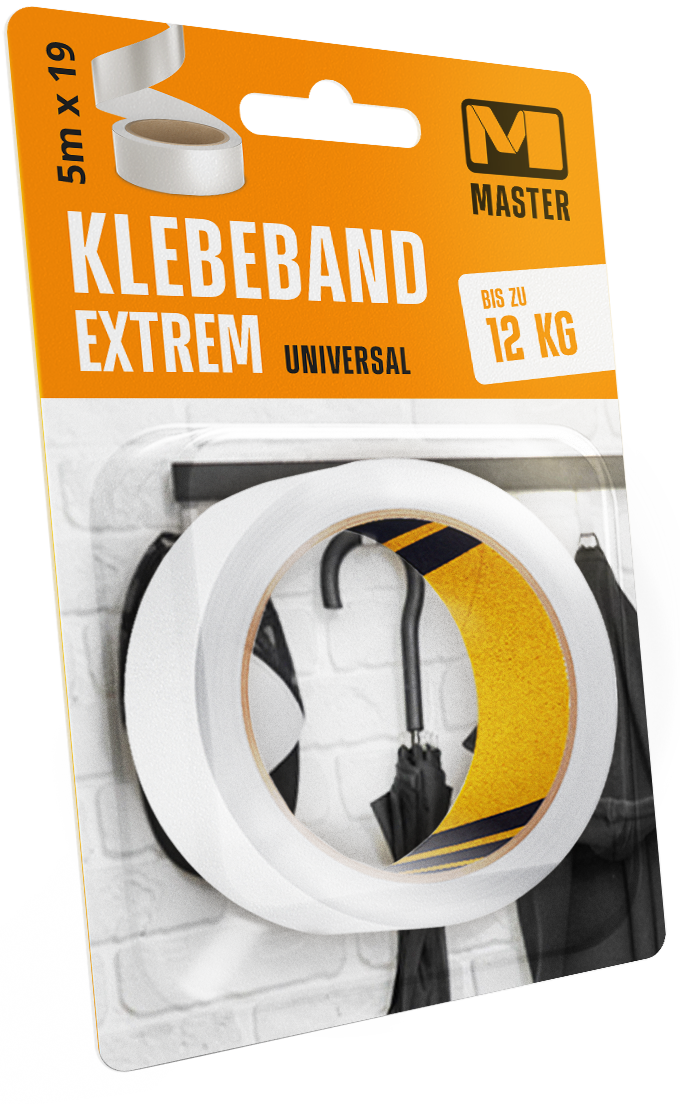
Blister packaging with cardboard backing and plastic cover
In this variant, the product is enclosed in a plastic hood. The plastic hood ensures that the product remains clearly visible while also being secured.
Blister packaging is therefore suitable for electronic components, toys, or small items, for example—anywhere where the product needs to be visible but still protected.
Blister packaging with cardboard backing and cardboard hood
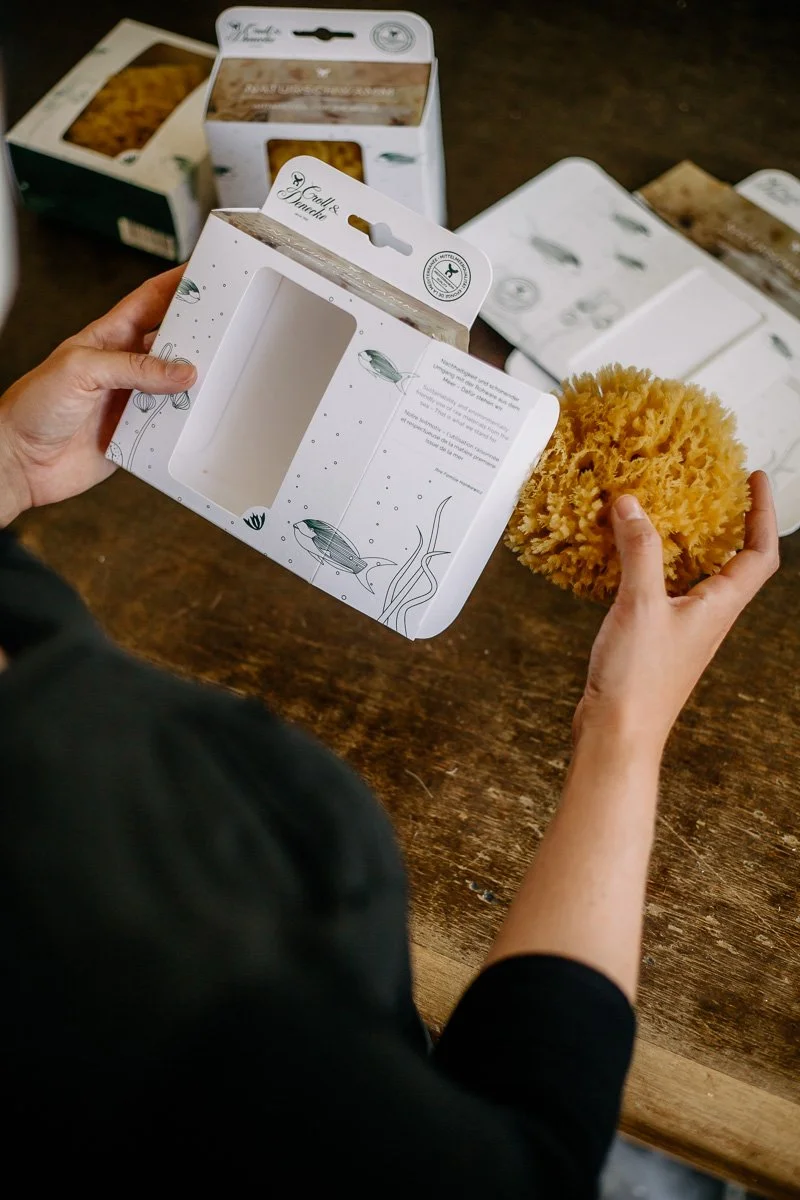
In this variant, the product is placed in a cardboard hood. The cardboard hood ensures that the product is secure, while visibility is eliminated, and offers the additional advantage of easy recyclability and an expanded printable area for brand marketing.
These blister packs are suitable for cosmetics and batteries, for example – anywhere where the product needs to be well protected.
Classic cardboard packaging with tuck-in flap
The term "cardboard packaging" often refers to simple boxes with tuck-in flaps.
These can be filled and sealed without additional gluing, are stable, and very economical.
They are well suited for serial products that are often refilled or packaged in large quantities—such as pharmaceutical and medical products, office supplies, spare parts, or DIY items.
Magnet box – high-quality presentation packaging
A magnetic box is a sturdy cardboard package with a lid that closes securely using hidden magnets.
It looks particularly high-quality and is often used for premium gifts, sets, or limited editions.
With a cardboard magnetic box, you can showcase your brand in a luxurious way—completely plastic-free and yet very sturdy.
For exclusive, innovative packaging and luxury cardboard packaging, Paul Kläs offers refined magnetic boxes, slip lid boxes, and other high-quality packaging solutions.
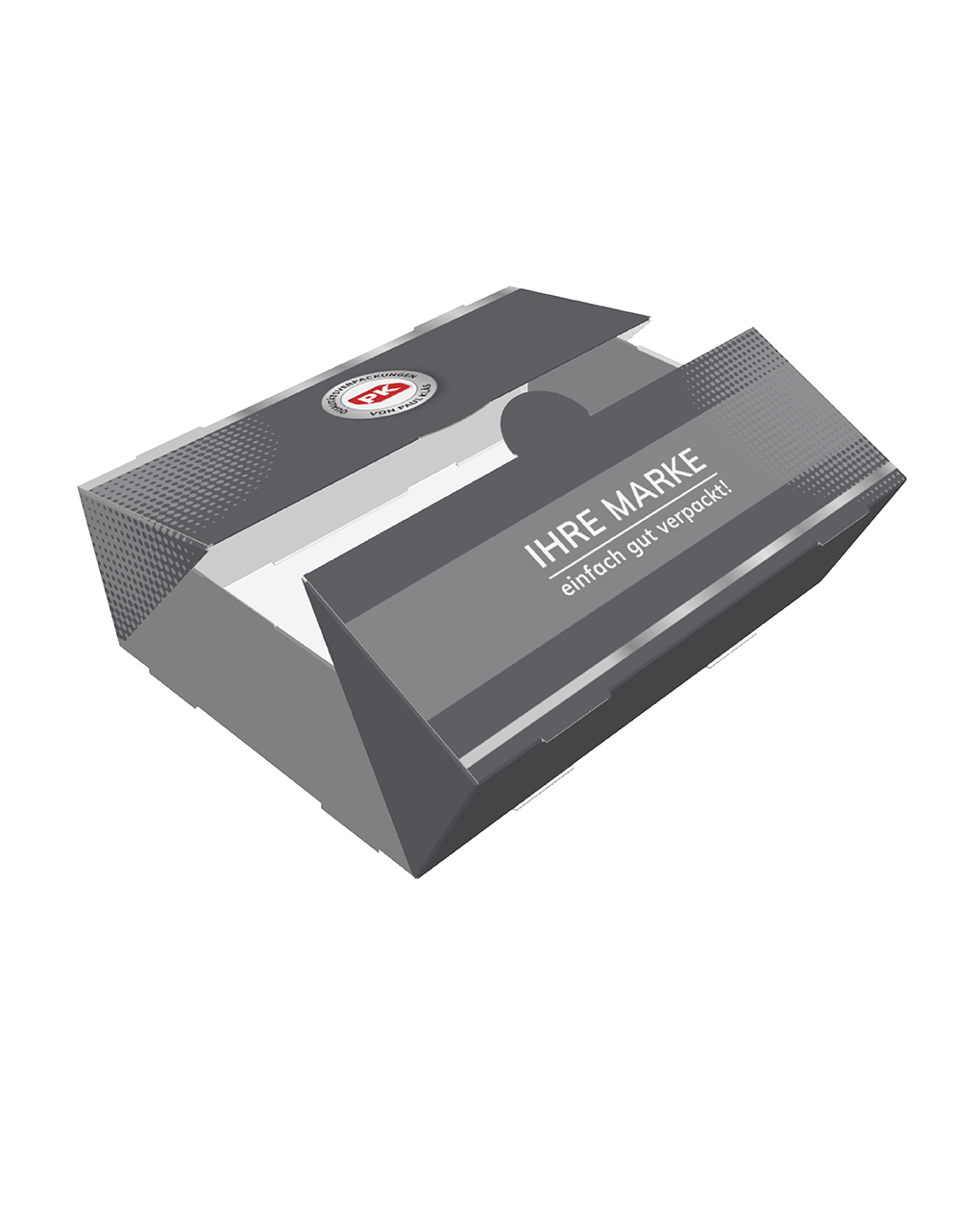
Folding cartons as all-rounders
Folding cartons come in countless formats—from small cubes to telescopic packaging for longer items.
They are truly versatile sales packaging and cover many industries: from food, dietary supplements, pharmaceutical and medical products to decorative items, textiles, and spare parts.
With custom printing and appropriate design, folding cartons can be tailored to your product and brand image.
Cardboard takeaway packaging for snacks and fast food
Cardboard takeaway packaging protects burgers, fries, wraps, and pastries on their way to the customer.
They must be lightweight, grease-resistant, and stackable—while clearly conveying your restaurant concept.
With appropriate die cuts and ventilation holes, the food remains appetizing, while your logo travels along on every package.
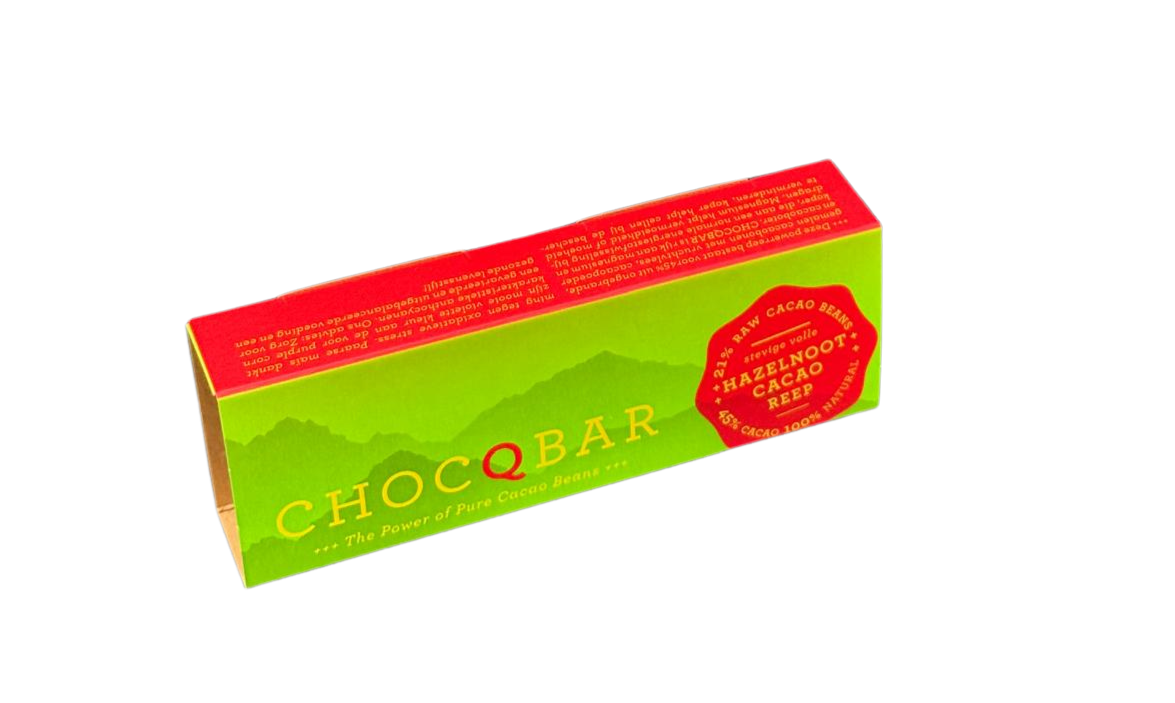
Food packaging for cookies, chocolate, and granola bars...
Cardboard offers a natural and sustainable look for food packaging.
Cookie packaging, chocolate packaging, or granola bar packaging made of cardboard can be combined with viewing windows, inner bags, or sleeves.
This allows you to combine product protection, legal labeling, and appealing presentation in a single sales package.
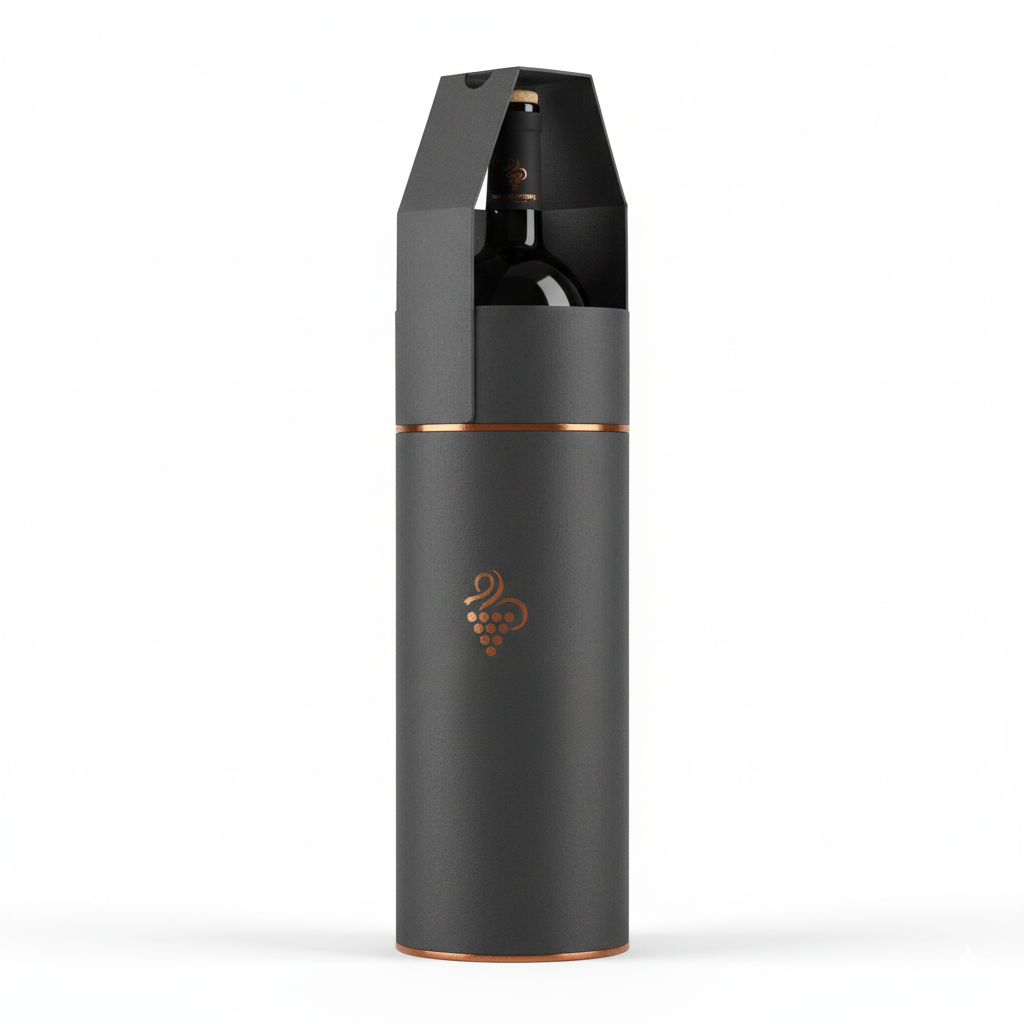
Cardboard bottle packaging for wine and spirits
Cardboard bottle packaging delivers wine, spirits, oils, and juices to customers safely and stylishly.
They protect glass bottles on the shelf and during shipping, and offer plenty of space for brand messaging, storytelling, and gift appeal.
With a grip hole, inlay, or compartment in the box, the bottles remain stable even if the packaging is handled multiple times.
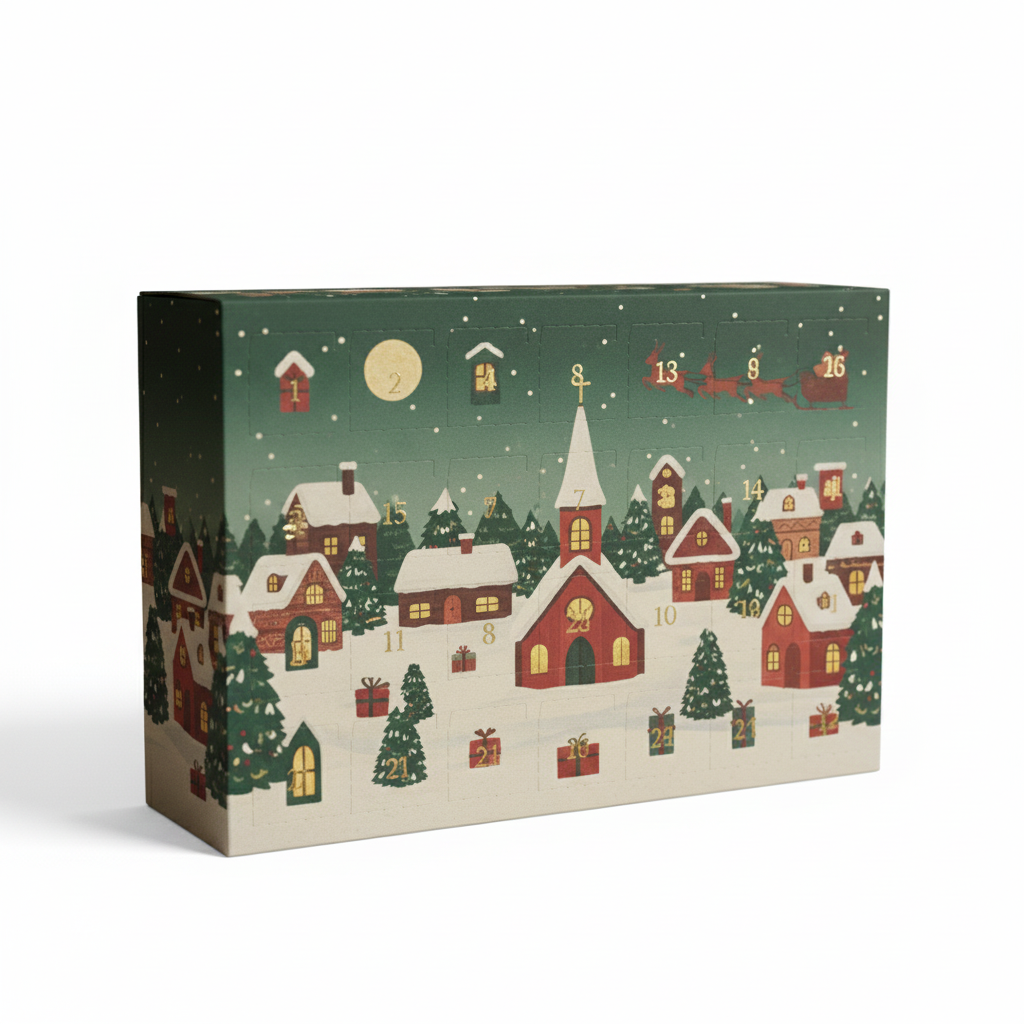
Cardboard packaging for Advent calendars
Sales packaging for Advent calendars is often the product itself: 24 compartments, flaps, or cardboard boxes.
What counts here is sturdy construction, good printability, and an emotional design that immediately puts customers in the Christmas spirit.
Cardboard is ideal for packaging several small products, chocolates, or cosmetic samples clearly and securely.
Perfume and cosmetics packaging as brand ambassadors
Perfume packaging and jewelry packaging made of cardboard should do one thing above all else: radiate value.
With refined folding boxes, slip lid boxes, or a small magnetic box, a product becomes a gift.
Finishes such as embossing, varnish, metallic effects, or sophisticated inlays make the cardboard packaging the first point of contact with your brand—long before the customer holds the bottle or piece of jewelry in their hands.
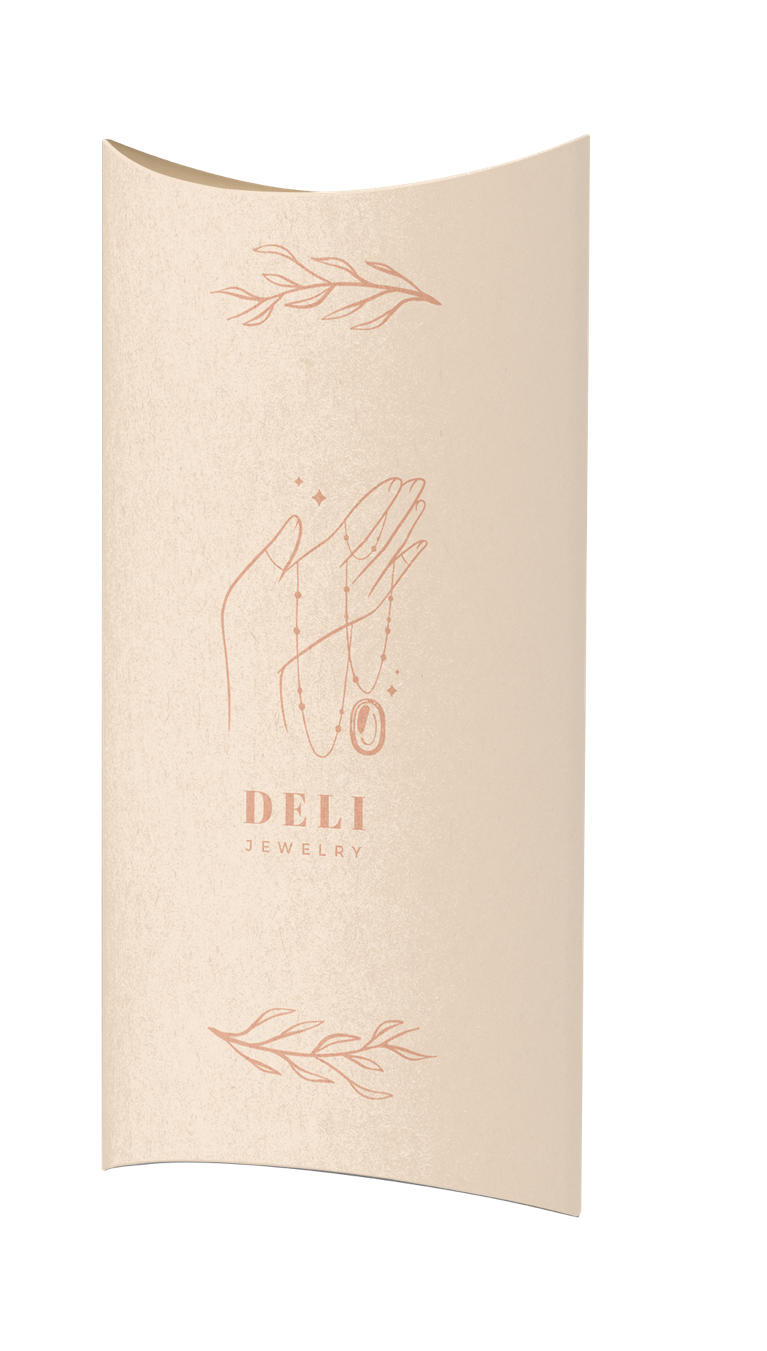
Further examples of sales packaging
Pillow box for small textiles or accessories
Gift packaging, e.g., for chocolates
Slip lid box for high-quality product sets
Sliding box (slipcase packaging) for elegant presentations
Sleeve packaging for jars, cans, or books
Cardboard counter display for impulse items at the checkout
Table displays / counter displays for promotions and new products
Cardboard case with handle for toys, merchandise, or sample sets
Special-shaped cardboard displays for eye-catching promotions
Tray packaging for multiple individual products on the store shelf
Packaging with a viewing window so that the product is directly visible
Cup packaging with carrying handle and inlay for secure grip
Gift box for honey, oil, or jam with recesses for jars
Advent calendar packaging with 24 cardboard compartments
E-commerce packaging with return flap
Cardboard mailing envelope for books, catalogs, or textiles
Luxury magnetic box for perfume, jewelry, or premium gifts
Multi-part set packaging with compartments for bottles, jars, or samples
Are you planning packaging for your own product, possibly in small quantities?
3. Different types of packaging
| No. | type of packaging | Function & Purpose | Typical location | Example | Legal classification |
|---|---|---|---|---|---|
| 1 | sales packaging (primary packaging) |
Protects the product directly, serves as an advertising medium and marketing tool. Is delivered to the end customer together with the goods. | Sales shelf (point of sale) | Printed folding box for cosmetics, cornflakes box, tube. | Subject to system participation (dual system). |
| 2 | outer packaging (secondary packaging) |
Bundles multiple sales packages or serves as additional protection/theft protection. Can be removed in the store. | Sales shelf or promotional area | Foil around a six-pack of drinks, box around a perfume bottle. | Often subject to system participation if it can be incurred by private end consumers. |
| 3 | transport packaging (tertiary packaging) |
Used exclusively for transport between retailers (B2B). Protects against transport damage in large quantities. | Truck, warehouse, goods receipt | Euro pallet, large corrugated cardboard boxes, stretch film. | Not subject to system participation (disposal/recycling via B2B solutions). |
| 4 | shipping packaging (e-commerce) |
Special type of sales packaging used in online retail. Protects goods during postal delivery to the end customer. | Postal service / Front door | Shipping box, padded envelopes, filling material. | Subject to system participation, as it ends up with private end consumers. |
| 5 | service packaging | Is only filled with goods directly at the point of sale. Enables the transport of loose goods. | Bakery, snack bar, kiosk | Bread bag, coffee-to-go cup, pizza box. | Subject to system participation (can often be purchased pre-licensed). |
| 6 | reusable packaging | Designed to be reused multiple times for the same purpose (recycling system). | Logistics & Trade (Round Trip) | Beverage crates, reusable bottles, Euro pallets (exchange). | Special regulation; no licensing requirement, but deposit and return obligations. |
Sales packaging
Packaging that surrounds the individual product and remains with the end customer.
Example: Folding cartons for cosmetics, food, pharmaceuticals, and medical products.
Task: Protection, information, advertising on the shelf or when unpacking.
Outer packaging
Additional wrapping around one or more sales packages.
Example: Collective band around three tubes of toothpaste.
Purpose: Bundling, better presentation
transport packaging
Packaging for transport between manufacturers, warehouses, and retailers.
Example: Gray cardboard packaging containing 12 sales packages
It protects many individual packages at once and is often simply placed on the shelf.
Shipping packaging (mail order packaging)
Packaging used to ship goods directly to end customers in online retail.
Example: printed shipping carton with tear-off flap, book shipping envelope.
Combines transport protection with the function of sales packaging.
service packaging
Packaging that is only filled in the store or in the catering industry.
Example: Wrap packaging, burger packaging, popcorn box, cardboard snack tray.
Is given directly to the customer and is legally considered sales packaging.
reusable packaging
Packaging that can be reused many times.
Example: Returnable deposit boxes in delivery services, reusable cups in deposit systems.
Saves material and waste, but requires a return and cleaning system.
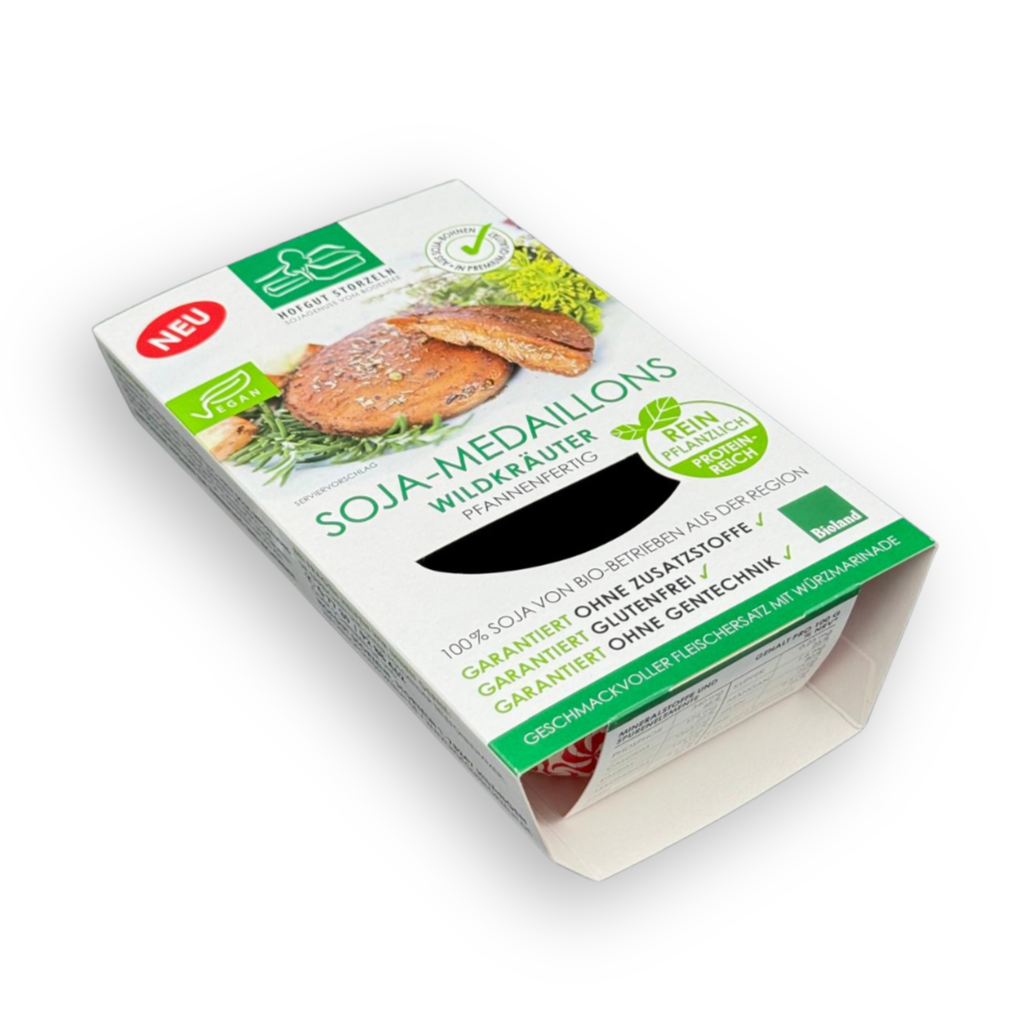
disposable packaging
Packaging that is disposed of and recycled after a single use.
Example: classic folding box in the supermarket, cardboard packaging for cereal bars.
The key factor here is a design that is suitable for recycling, e.g., single-type cardboard.
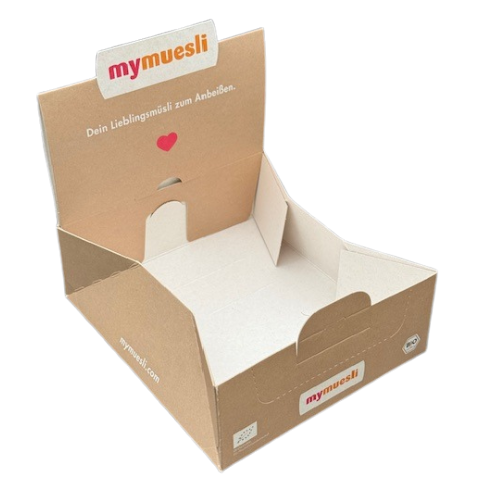
Display packaging / Sales display
Packaging and display space in one.
Example: Cardboard counter display, tray with tear-off perforation for retail.
Serves as a transport box and later as a shelf display at the point of sale.
Would you like to combine cardboard sales packaging, displays, and secondary product packaging?
4. What functions does sales packaging fulfill?
Protective function: It protects the product from impact, pressure, dirt, and other external influences.
Information function: It contains all important information such as content, quantity, application, and mandatory information.
Advertising and branding function: It presents your brand and sets your product apart from the competition on the shelf.
Sales function: It makes the product attractive, arouses interest, and supports the purchase decision.
Handling function: This ensures that the product is easy to transport, open, and, if necessary, reseal.
Logistics function: It enables space-saving storage, stackability, and efficient transport.
Sustainability function: As plastic-free packaging, it can be designed to be recyclable, resource-efficient, and therefore environmentally friendly.

5. Unboxing experience with sales packaging and product packaging
The unboxing experience describes the moment when your customer takes your product out of its packaging—from the first glance at the box to the last step of unpacking.
Cardboard product packaging in particular offers you a lot of control: feel, excitement, quality, sustainability.
Why the unboxing experience is so important
First genuine contact between customer and brand
Influences whether your product is perceived as high-quality, lovingly packaged, or "cheaply packaged."
Determines whether customers recommend your product to others or post about it on social media
Well-designed product packaging turns a purchase into a small moment of joy.
Factors for a strong unboxing experience
Appearance: colors, print quality, finishes (e.g., varnish, embossing)
Haptics: Cardboard thickness, texture, matte, glossy, or soft-touch surface
Design: How can the box be opened? Logically, smoothly, with resistance, or with a "pop"?
Inside: Inside printing, small messages or symbols
Order: Cardboard inlays, compartments, or inserts—nothing rattles, nothing looks careless.
Sustainability: Recognizably recyclable packaging makes you feel good when unpacking
Examples of unboxing experiences
Cosmetics in a refined folding box
Slim folding box, matte surface, short message inside, product in a cardboard inlay.Premium product in a magnetic box
Cardboard magnetic box opens with a light "click."
cardboard advent calendar packaging24 moments of discovery, motifs, or short texts—a little unboxing experience every day.Food packaging with viewing window and interior printing
Viewing window on the outside, illustrations or recipe ideas on the inside—even simple cardboard packaging can have an emotional impact.E-commerce product packaging in shipping carton
Open the shipping carton to reveal high-quality cardboard product packaging inside that can be reused.

6. Obligations and requirements for sales packaging
Who is responsible?
"Manufacturer" within the meaning of the Packaging Act is the first distributor of the filled sales packaging:
The company that is the first to sell or import the packaged goods commercially in Germany—often the brand owner, online retailer, or importer.
Legal obligations under the Packaging Act (VerpackG) – summary
1. Registration in the LUCID packaging register
Mandatory for all sales packaging subject to system participation
Without registration: no legal distribution in Germany
2. System participation ("license packaging")
Sales packaging that ends up as waste in private households is subject to system participation.
Contract with dual system, reporting of material quantities (e.g., cardboard, plastic)
3. Ongoing data reporting
Regular reporting of actual packaging quantities to LUCID and the dual system
Quantities must match
4. Take-back and information obligations
For packaging that is not subject to system participation (e.g., purely B2B or transport packaging), separate take-back and recycling solutions must be organized.
5. Consequences of violations
distribution ban
heavy fines
Technical and content requirements
Product protection and function
Sufficient stability (e.g., suitable grammages for cardboard packaging)
Secure closure (tabs, adhesive seam, magnetic closure, etc.)
If necessary, inserts or compartments for glass, sets, or fragile items
Legally compliant labeling
Space for mandatory information (e.g., food, cosmetics, pharmaceuticals, chemicals)
Easy-to-read, permanent labeling
Recyclability and material selection
Preferably monomaterial: packaging made of cardboard or corrugated cardboard instead of complex composites
Choose finishes that do not interfere with paper sorting.
Use of sustainable packaging (e.g., FSC/PEFC-certified cardboard, recycled cardboard, grass cardboard, silphium cardboard, PaperWise, etc.)
7. How do you find the right sales packaging? From your idea to the point of sale
Start: Clarify the product and goal
What is being packaged? (Dimensions, weight, fragility)
Where are sales made? (Brick-and-mortar stores, online, restaurants, trade fairs)
What is the objective? (Affordable, premium, sustainable, attention-grabbing)
Collect requirements for product packaging
Product dimensions + tolerances
Protection required (sensitive to breakage, light, grease, moisture)
Circulation / Annual demand
Sustainability goals (plastic-free, organic, recyclable)
Logistics (stackable, machine-compatible, pallet dimensions)
Budget per item
Select packaging type
Classic folding box
Slip lid box / sliding box
Cardboard takeaway packaging
Bottle or glass packaging
Counter display or tray
pharmaceutical packaging
DIY packaging
An experienced packaging manufacturer will show you suitable examples and customized packaging for your application.
Finding the right packaging manufacturer
Specialization in folding cartons and cardboard packaging
Experience in your industries (food, cosmetics, pharmaceuticals, non-food)
In-house CAD design, prototyping, laser die cutting, graphics, printing, die cutting, gluing, logistics
References, certificates, sustainable materials
Paul Kläs is a folding carton and packaging manufacturer specializing in sustainable cardboard packaging.
8. How does the product get into the packaging? (Practice & logistics)
basic principle
Cardboard packaging (folding boxes, cardboard boxes) is delivered flat.
Products are ready-filled or are packed directly into folding cartons.
Boxes are assembled, filled, and sealed at the customer's premises or by a contract packager.
Three ways of packaging
a) Manual
For smaller print runs and flexible series – erecting, filling, and sealing by hand.
b) Semi-automatic
Support from erectors, closers, or simple conveyor technology.
c) Fully automatic
Machines straighten, fill, seal, and label—ideal for high volumes.
Tips for a smooth packaging process
Early testing with white samples
Plan inlays and compartments so that nothing wobbles
Adapt opening and resealing to user behavior
Provide space for labels, best-before dates, and coding
Keep an eye on cycle times – every unnecessary hand movement costs money
Storage of cardboard packaging
Store in a dry, clean, climate-controlled environment
On pallets, protected from moisture and pressure marks
Allow for buffers to bridge delivery times
Clear labeling for many item numbers
Request packaging & take advantage of call-off options
Communicate annual quantity and desired delivery lots
Take seasonal peaks (e.g., Advent, promotions) into account
Production in stock at the manufacturer and available on demand
Would you like to store your packaging in storage and retrieve it flexibly? →
Product packaging with Paul Kläs — From your idea to the point of sale
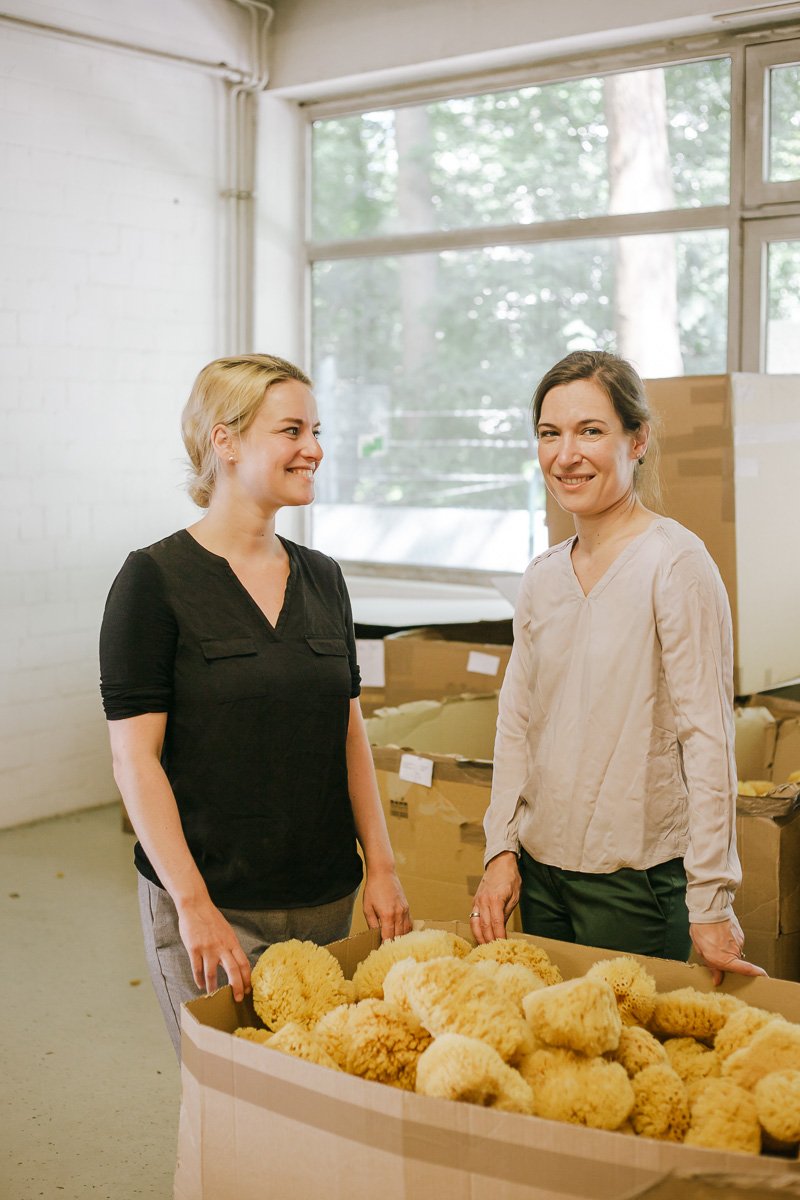
Your project

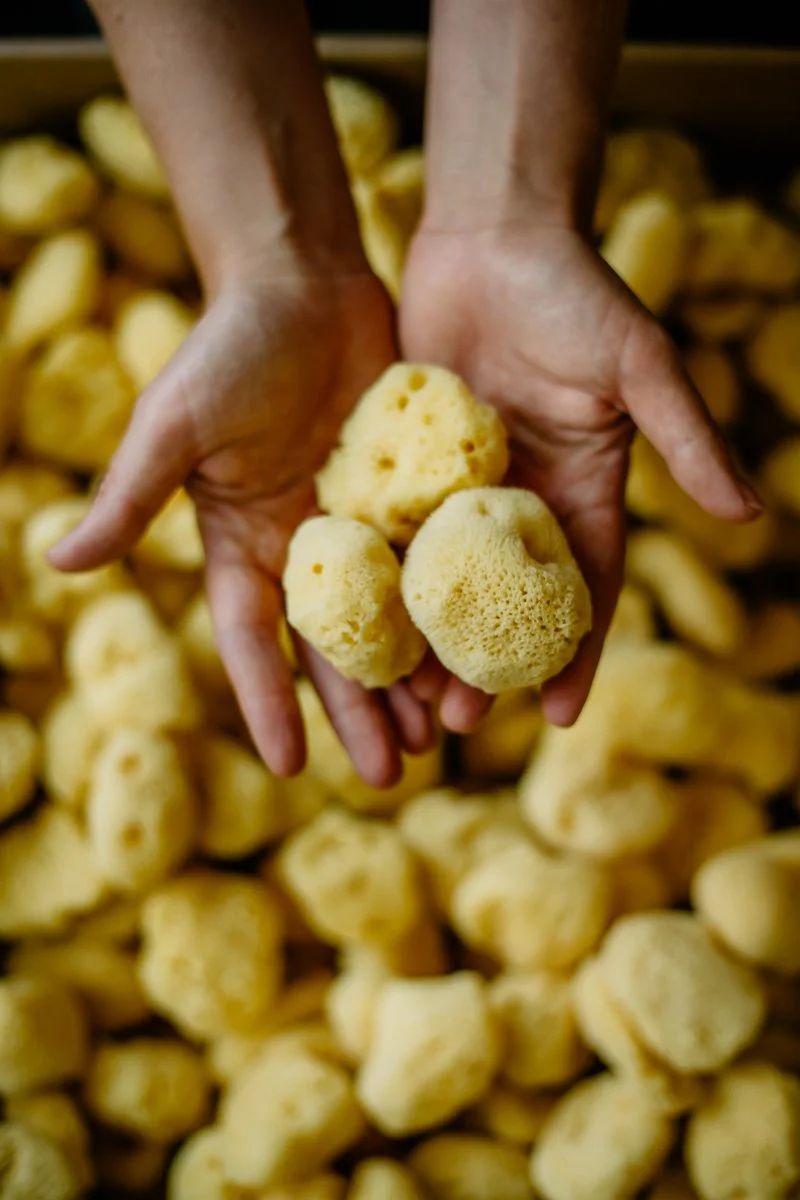
Your product


Consulting & Development

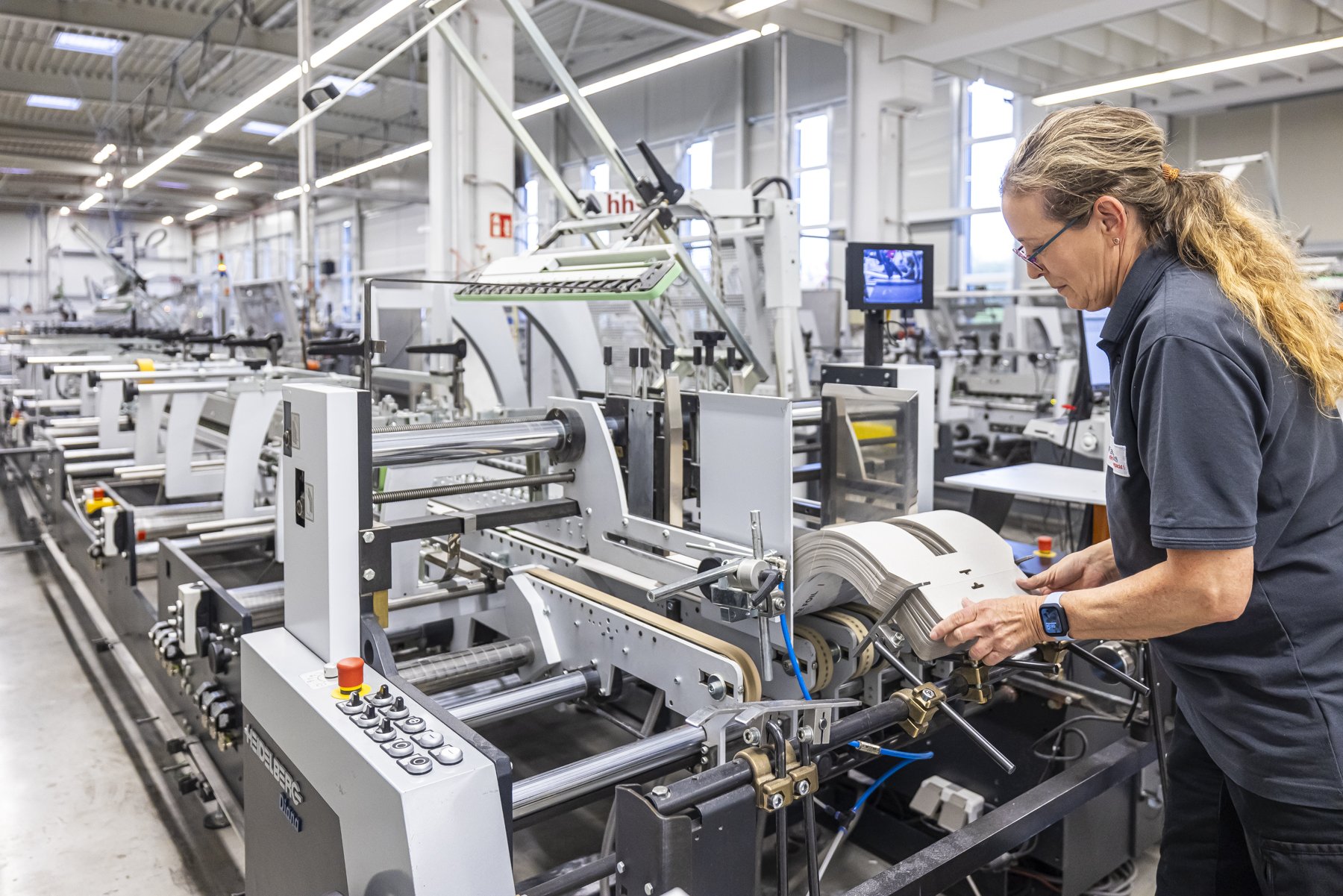
Manufacture

Warehouse & Logistics

Point of sale

9. Sustainable sales packaging made of cardboard
Sustainable sales packaging made of cardboard is the most environmentally friendly solution for many products.
They are mainly made from renewable raw materials, are highly recyclable and, depending on their design, contain no plastic whatsoever.
This makes cardboard packaging ideal for brands that value sustainability, circular economy, and environmentally friendly packaging.
Why cardboard packaging is so sustainable
Cardboard made from recycled fibers, wood, or alternative fibers (e.g., grass cardboard, cup plant, PaperWise)
Fibers can be recycled many times
Low weight reduces transport emissions
Excellent recycling infrastructure via paper bins
Advantages over other materials
No plastic waste as with plastic packaging
Easier sorting and recycling than composite packaging
Lighter than glass or metal, with excellent protective performance
Are you looking for a manufacturer of sustainable packaging that produces plastic-free, recyclable cardboard packaging ?
More about sustainable materials & solutions →
Paul Kläs – Your partner for sustainable, customized cardboard packaging
Paul Kläs GmbH is a packaging manufacturer for folding boxes and cardboard packaging based in D-58540 Meinerzhagen (North Rhine-Westphalia).
For many decades, the company has been developing customized sales packaging made of cardboard and paperboard— from standard folding boxes to complex special designs, displays, and innovative packaging.
Author: Sascha Weber, expert and consultant for cardboard sales packaging at Paul Kläs GmbH
FAQ: Frequently asked questions about cardboard sales packaging
-
Sales packaging is the packaging that ends up directly with the end customer, protects the product, and presents it on the shelf—for example, a printed folding carton.
-
The manufacturer is the party who first commercially distributes the filled sales packaging in Germany (brand owner, distributor, or importer).
-
All sales packaging that typically ends up as waste in private households must be licensed with a dual system.
-
Cardboard is made from renewable raw materials, is highly recyclable, and usually has a good environmental balance due to its low weight.
-
The product packaging (sales packaging) encloses the individual product and remains with the customer, while the transport packaging protects multiple units during transport and typically remains with the retailer.
-
Custom folding boxes and product packaging made of cardboard are usually economical in quantities of several hundred pieces, but depending on the project, smaller quantities may also be feasible.
-
Yes. A specialized packaging manufacturer for cardboard also develops suitable, customized product packaging for smaller product ranges.
-
They fit your product perfectly, make efficient use of the raw material sheet, enable a strong design, and are optimized for storage and logistics.
-
Many finishes can be selected in such a way that the packaging remains easily recyclable—your manufacturer of environmentally friendly, recyclable packaging will be happy to advise you on this.
-
To a specialized manufacturer of folding cartons and cardboard packaging such as Paul Kläs GmbH: